Build a wider plate
Try to make vegetables, fruit, pulses, whole grains and unsalted nuts familiar parts of the week. Variety matters because foods bring different nutrients and because a flexible pattern is easier to maintain.
Health desk · 2026
Seasonal eating connects availability, storage, budget and enjoyment. This guide looks at practical ways to use produce across the British year without presenting a rigid menu or personal health instruction.
Spring greens, summer berries, autumn apples and winter roots can all shape a varied kitchen, while frozen and preserved foods remain useful outside their harvest period. Seasonal choices are influenced by weather, region, transport, price and household preference.
| Season | Common examples | Practical idea |
|---|---|---|
| Spring | Peas, greens, herbs | Soups, salads and simple sides |
| Summer | Tomatoes, berries, courgettes | Cold lunches and tray bakes |
| Autumn | Apples, squash, brassicas | Roasts, stews and oats |
| Winter | Roots, cabbage, stored grains | Warm bowls and batch cooking |
“Seasonal eating works best as a flexible invitation, not a test of purity.”
Food is one part of a much wider picture. This guide explains common nutrition themes without turning them into promises.
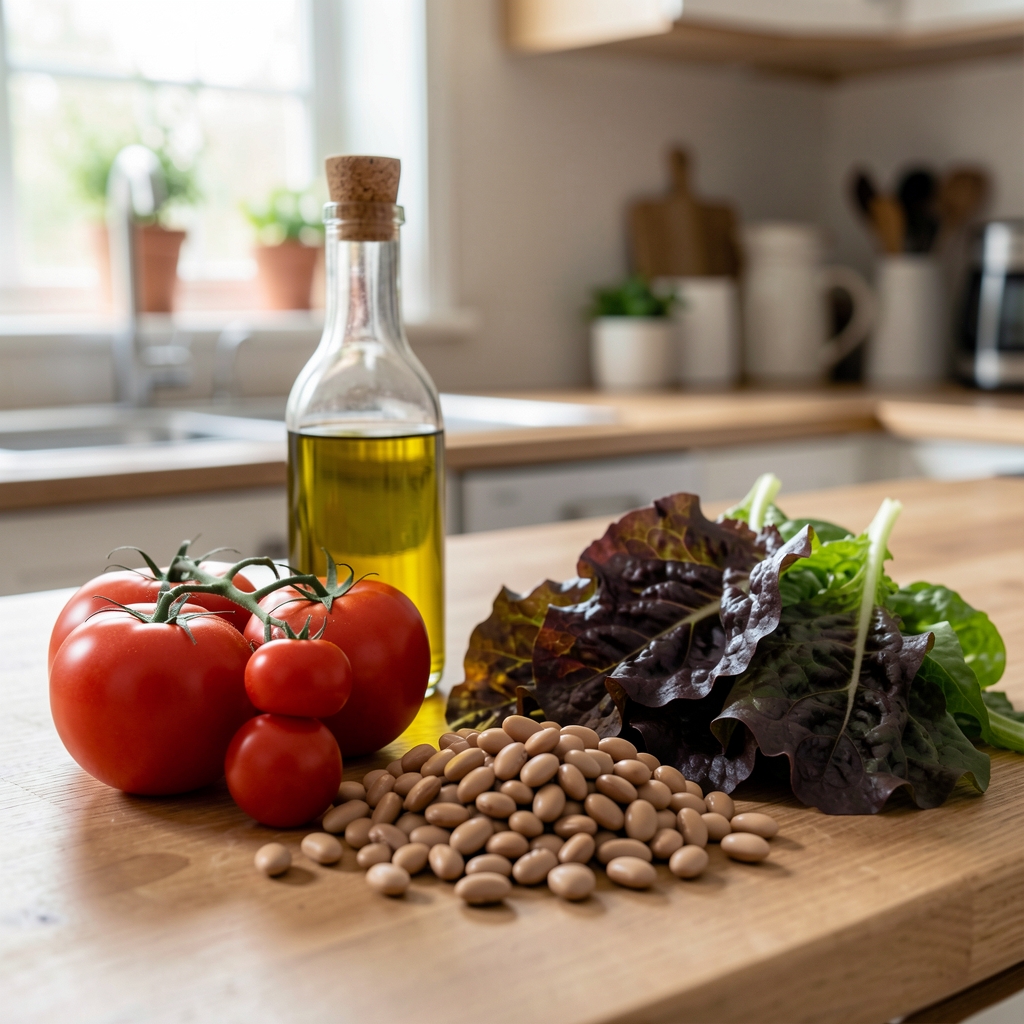
Research often examines dietary patterns rather than a single ingredient. A pattern rich in plants, fibre and varied sources of protein may sit comfortably within general healthy eating guidance, but it does not diagnose or treat prostate conditions. Age, family history, symptoms, medicines and screening conversations remain important.
Try to make vegetables, fruit, pulses, whole grains and unsalted nuts familiar parts of the week. Variety matters because foods bring different nutrients and because a flexible pattern is easier to maintain.
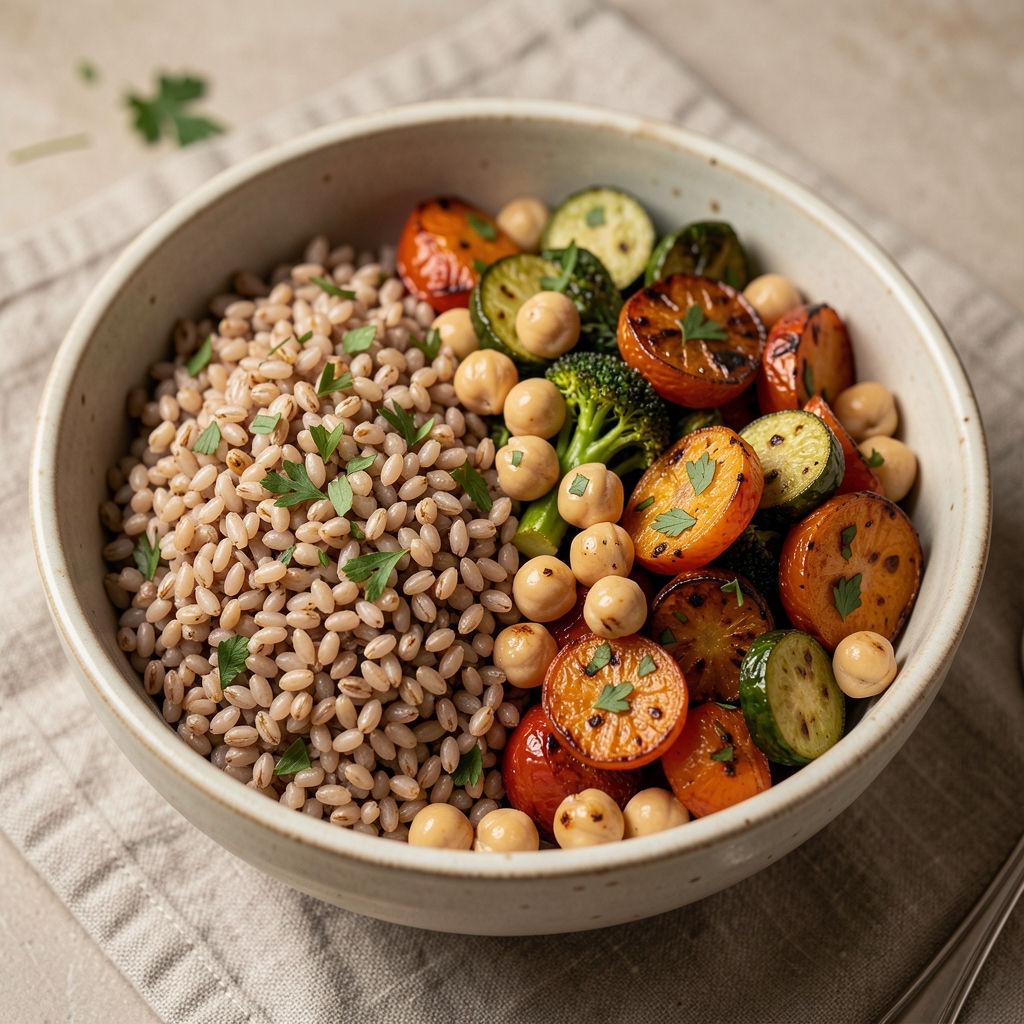
A single food rarely carries the meaning assigned to it online. Look for the overall pattern, portion, frequency and the quality of the research behind a claim.
| Question | Why it may help |
|---|---|
| Which symptoms need prompt attention? | It separates general education from an individual assessment. |
| Do my medicines affect food or supplements? | Some products can interact with prescribed treatment. |
| What eating pattern fits my wider health? | Blood pressure, bowel health and weight may shape advice. |
“A useful nutrition article should leave the reader better prepared for a conversation, not falsely certain about an outcome.”
“Patterns are usually more meaningful than isolated ingredients.”
“Symptoms deserve clinical attention rather than a search for a food shortcut.”