Build a wider plate
Try to make vegetables, fruit, pulses, whole grains and unsalted nuts familiar parts of the week. Variety matters because foods bring different nutrients and because a flexible pattern is easier to maintain.
Health desk · 2026
Food is one part of a much wider picture. This guide explains common nutrition themes without turning them into promises.
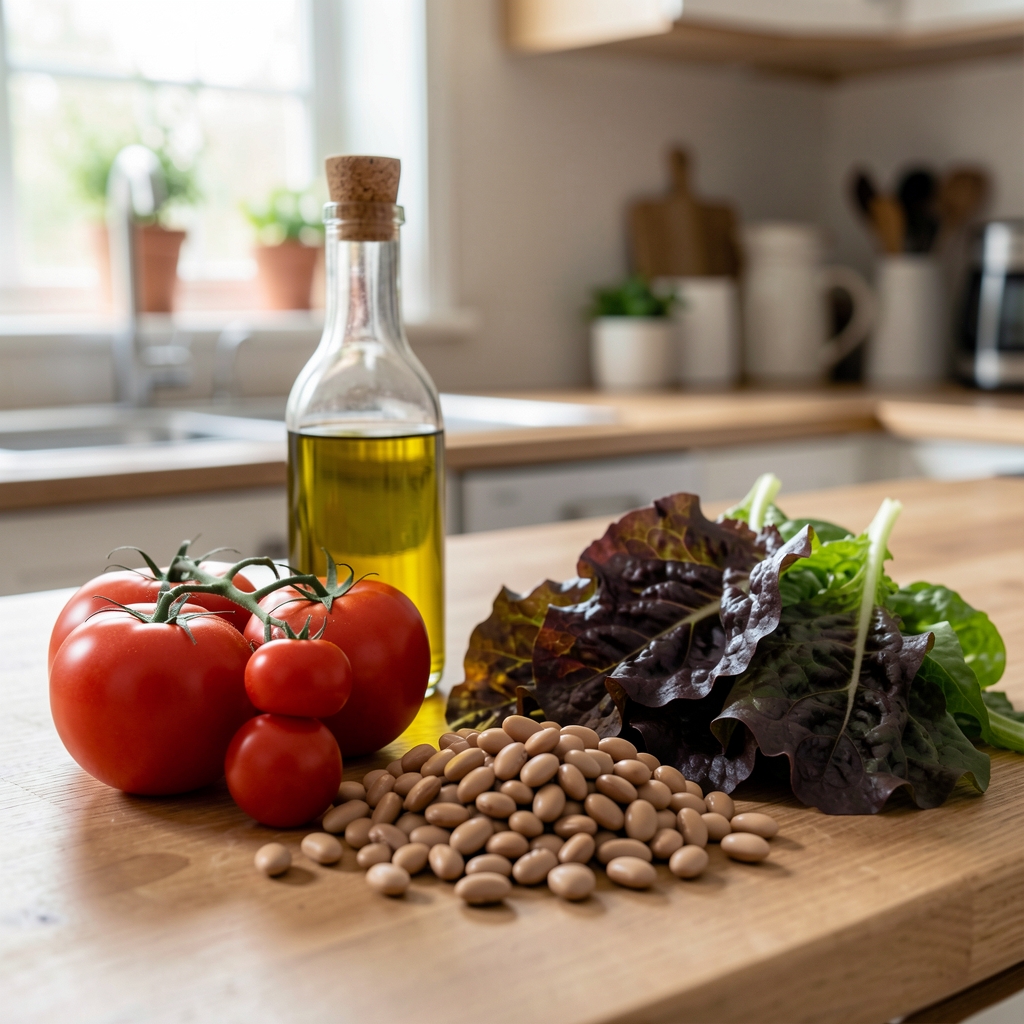
Research often examines dietary patterns rather than a single ingredient. A pattern rich in plants, fibre and varied sources of protein may sit comfortably within general healthy eating guidance, but it does not diagnose or treat prostate conditions. Age, family history, symptoms, medicines and screening conversations remain important.
Try to make vegetables, fruit, pulses, whole grains and unsalted nuts familiar parts of the week. Variety matters because foods bring different nutrients and because a flexible pattern is easier to maintain.
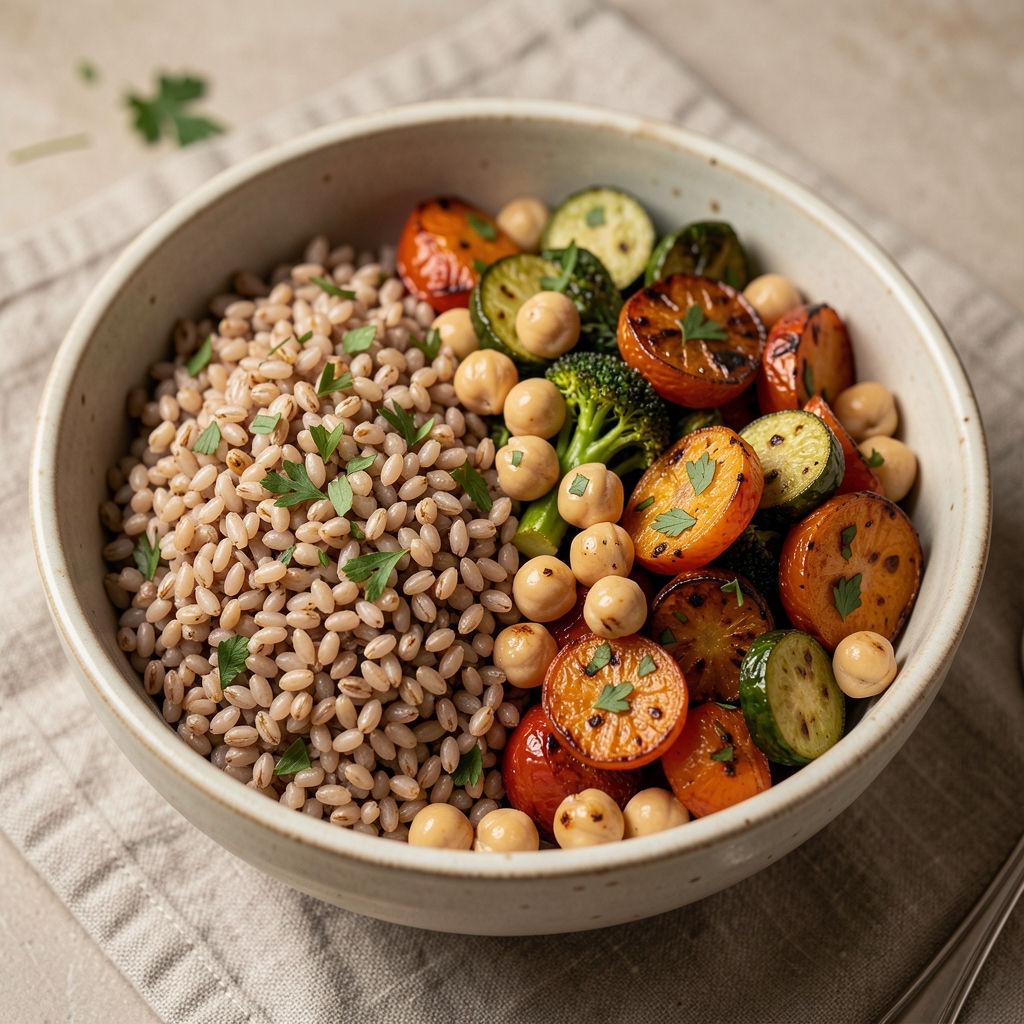
A single food rarely carries the meaning assigned to it online. Look for the overall pattern, portion, frequency and the quality of the research behind a claim.
| Question | Why it may help |
|---|---|
| Which symptoms need prompt attention? | It separates general education from an individual assessment. |
| Do my medicines affect food or supplements? | Some products can interact with prescribed treatment. |
| What eating pattern fits my wider health? | Blood pressure, bowel health and weight may shape advice. |
“A useful nutrition article should leave the reader better prepared for a conversation, not falsely certain about an outcome.”
“Patterns are usually more meaningful than isolated ingredients.”
“Symptoms deserve clinical attention rather than a search for a food shortcut.”
Nutrition is one part of a wider conversation about prostate health. Research commonly looks at patterns over time rather than a single ingredient, and food sits alongside age, family history, activity, sleep, medication, symptoms and conversations with qualified professionals. A useful reading approach is therefore descriptive: notice the pattern, understand its limits and avoid turning a general observation into a personal conclusion.
Many households can work with familiar foods such as vegetables, fruit, beans, whole grains, unsalted nuts and fish or other protein sources. The practical value is often in variety and repeatability rather than novelty. A meal does not need to be perfect to contribute to a broader routine, and cultural food traditions can remain part of the picture.
Different plant foods bring different textures, flavours and nutrients. Rotating ingredients can make planning more flexible.
Beans, oats, barley, vegetables and fruit are familiar sources that can be introduced gradually with fluids.
Personal symptoms and screening questions belong in a conversation with an appropriate professional.
Start with one meal that already exists in the household and look for a modest way to add colour, fibre or variety. A tomato and bean stew, for example, can be served with wholegrain bread or barley, while leafy greens can be folded into a familiar soup. The point is not to create a special health menu; it is to make the ordinary menu more varied where that feels practical.
Shopping decisions are influenced by cost, storage, time and access. Frozen vegetables, tinned pulses with lower salt and batch cooking can be useful options, while people with specific dietary or medical requirements should check choices with a qualified professional. Keep changes observable: note how a meal was assembled, not whether it produced a promised result.
| Theme | Everyday examples | Question to consider |
|---|---|---|
| Plant variety | Leafy greens, tomatoes, berries, beans | Which foods are realistic this week? |
| Whole grains | Oats, barley, wholegrain bread | Could a familiar meal include a grain? |
| Protein variety | Pulses, fish, eggs, yoghurt or alternatives | What fits budget and preference? |
| Meal rhythm | Planned breakfasts, lunches and dinners | Where does planning reduce friction? |
Does one food determine prostate health? No. A single food should not be presented as a standalone answer.
Can this guide replace screening conversations? No. Screening and symptoms require appropriate professional discussion.
What if a suggested food is unsuitable? Use a comparable familiar option or ask for individual guidance.
“A calm food conversation leaves room for culture, budget, evidence and personal advice.”
Reviewed for Kaelin’s 2026 editorial edition. This article is general information and not personal medical guidance.