Build a wider plate
Try to make vegetables, fruit, pulses, whole grains and unsalted nuts familiar parts of the week. Variety matters because foods bring different nutrients and because a flexible pattern is easier to maintain.
Health desk · 2026
Food is one part of a much wider picture. This guide explains common nutrition themes without turning them into promises.
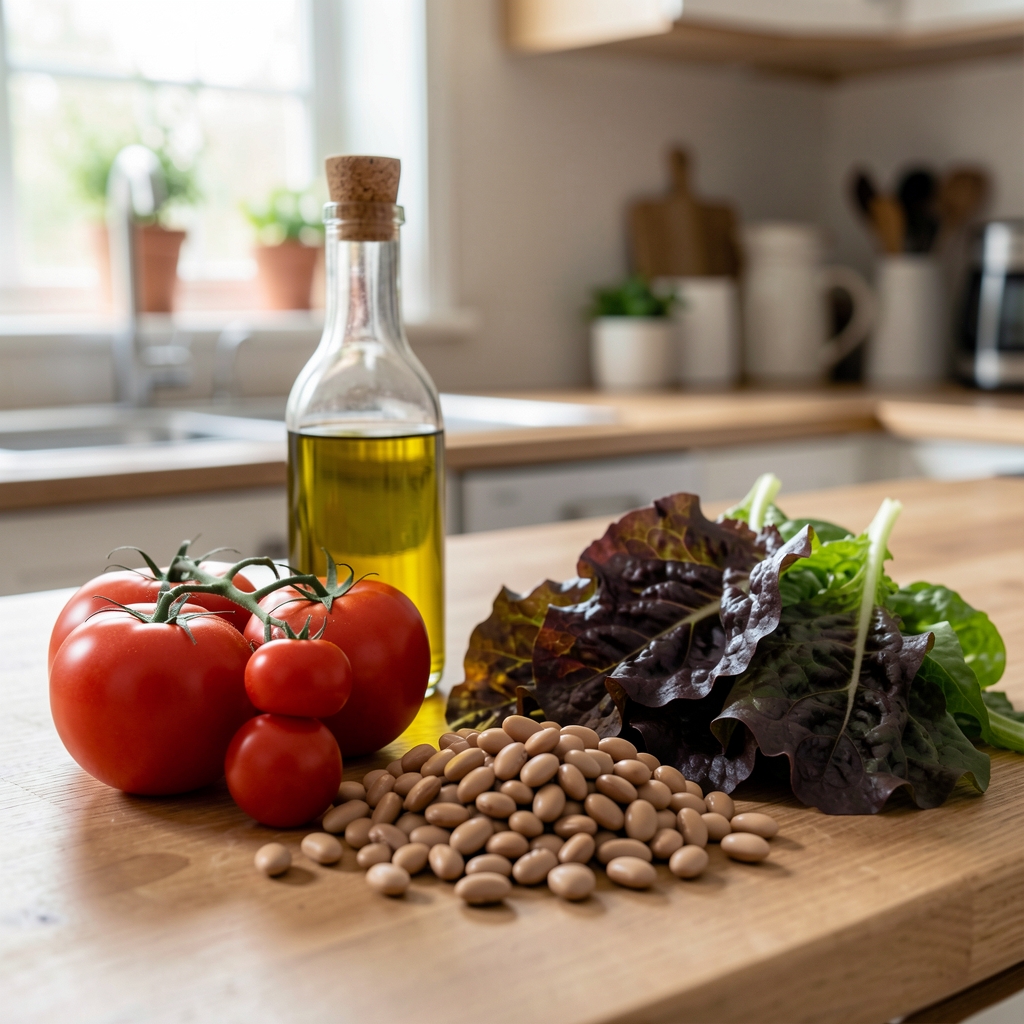
Research often examines dietary patterns rather than a single ingredient. A pattern rich in plants, fibre and varied sources of protein may sit comfortably within general healthy eating guidance, but it does not diagnose or treat prostate conditions. Age, family history, symptoms, medicines and screening conversations remain important.
Try to make vegetables, fruit, pulses, whole grains and unsalted nuts familiar parts of the week. Variety matters because foods bring different nutrients and because a flexible pattern is easier to maintain.
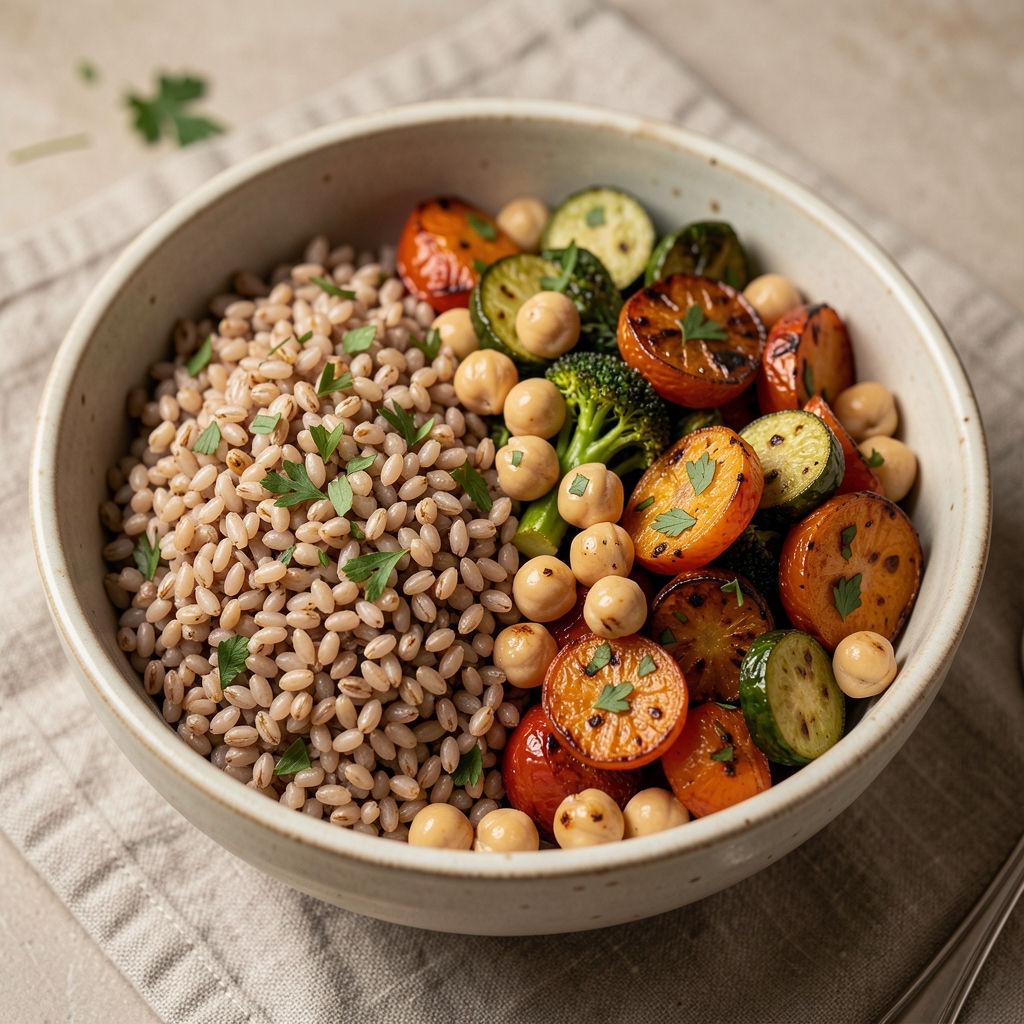
A single food rarely carries the meaning assigned to it online. Look for the overall pattern, portion, frequency and the quality of the research behind a claim.
| Question | Why it may help |
|---|---|
| Which symptoms need prompt attention? | It separates general education from an individual assessment. |
| Do my medicines affect food or supplements? | Some products can interact with prescribed treatment. |
| What eating pattern fits my wider health? | Blood pressure, bowel health and weight may shape advice. |
“A useful nutrition article should leave the reader better prepared for a conversation, not falsely certain about an outcome.”
“Patterns are usually more meaningful than isolated ingredients.”
“Symptoms deserve clinical attention rather than a search for a food shortcut.”
Diabetes and nutrition involve more than removing one ingredient. Meal composition, timing, activity, medication, sleep, culture and access can all influence how a person experiences food. This guide explains general concepts so readers can ask clearer questions; it does not offer an individual plan or interpret glucose readings.
Carbohydrate-containing foods include grains, potatoes, fruit, pulses, milk and many packaged products. The amount, form and combination with other foods can differ from meal to meal. Labels can help describe a product, but people with a diagnosed condition should follow advice that has been tailored to them.
Consider how a meal combines carbohydrate, protein, fibre, fat and fluids.
Regular planning may make routines easier, but individual schedules and treatment plans differ.
Personal monitoring should be interpreted with the support of the relevant health team.
| Meal element | Examples | Planning prompt |
|---|---|---|
| Carbohydrate | Oats, rice, potatoes, fruit | What amount fits the established plan? |
| Fibre | Beans, vegetables, whole grains | What can be added gradually? |
| Protein | Eggs, pulses, fish, yoghurt | What fits preference and budget? |
| Drinks | Water, tea, milk or alternatives | Which option suits the day? |
Food information cannot account for every diagnosis, medicine, activity pattern or personal target. If a reader has questions about readings, medication, symptoms or a prescribed plan, the appropriate clinician or diabetes care team should be contacted. Do not change medication based on an article.
“Clarity begins with describing what a meal contains and what the person needs from the conversation.”
Are all carbohydrates the same? No. Foods differ in fibre, structure, portion and how they are used in a meal.
Should every reader count carbohydrates? Not necessarily. The appropriate approach depends on individual guidance.
Is one meal a reliable measure? A single meal does not describe a person’s overall routine.