Build a wider plate
Try to make vegetables, fruit, pulses, whole grains and unsalted nuts familiar parts of the week. Variety matters because foods bring different nutrients and because a flexible pattern is easier to maintain.
Health desk · 2026
Food is one part of a much wider picture. This guide explains common nutrition themes without turning them into promises.
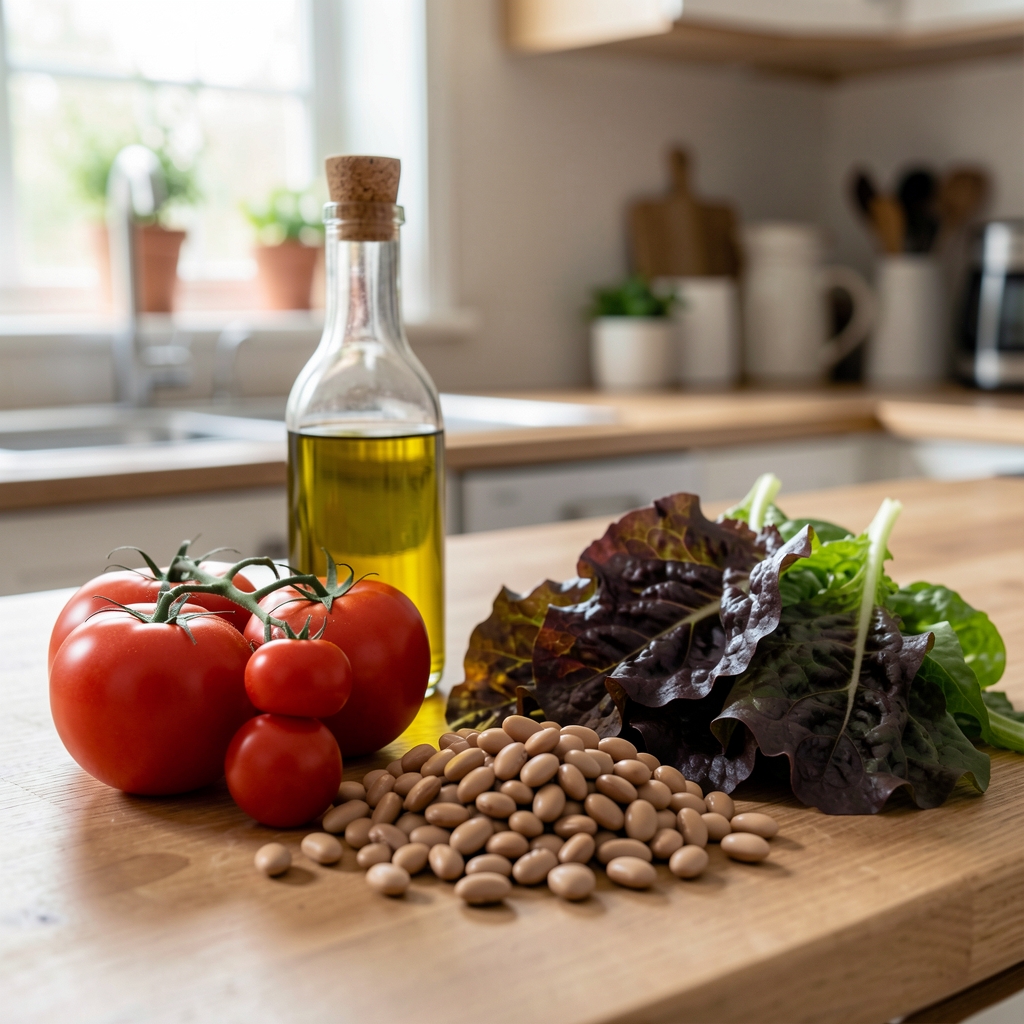
Research often examines dietary patterns rather than a single ingredient. A pattern rich in plants, fibre and varied sources of protein may sit comfortably within general healthy eating guidance, but it does not diagnose or treat prostate conditions. Age, family history, symptoms, medicines and screening conversations remain important.
Try to make vegetables, fruit, pulses, whole grains and unsalted nuts familiar parts of the week. Variety matters because foods bring different nutrients and because a flexible pattern is easier to maintain.
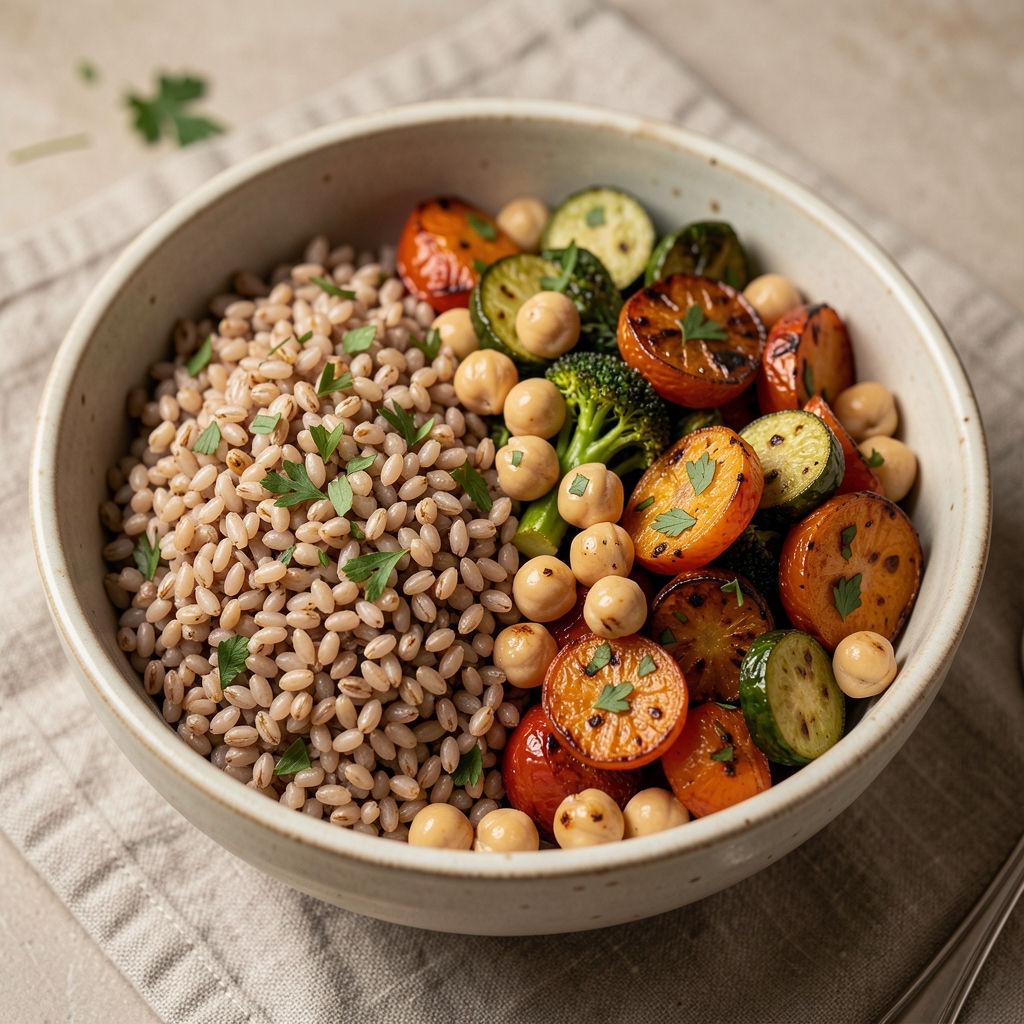
A single food rarely carries the meaning assigned to it online. Look for the overall pattern, portion, frequency and the quality of the research behind a claim.
| Question | Why it may help |
|---|---|
| Which symptoms need prompt attention? | It separates general education from an individual assessment. |
| Do my medicines affect food or supplements? | Some products can interact with prescribed treatment. |
| What eating pattern fits my wider health? | Blood pressure, bowel health and weight may shape advice. |
“A useful nutrition article should leave the reader better prepared for a conversation, not falsely certain about an outcome.”
“Patterns are usually more meaningful than isolated ingredients.”
“Symptoms deserve clinical attention rather than a search for a food shortcut.”
Carbohydrates are found in grains, bread, rice, pasta, potatoes, fruit, pulses, milk and many packaged foods. They are not a single uniform category: foods differ in fibre, structure, portion, preparation and how they are combined. This guide explains the vocabulary without interpreting a person’s readings or replacing an established diabetes plan.
Reading a meal as a whole can be more useful than isolating one ingredient. A bowl might include a grain, vegetables, beans, sauce and a drink, while a packed lunch may involve different quantities and timing. The right approach depends on the person’s diagnosis, medication, activity and guidance from their care team.
Look for the main carbohydrate foods and the way they are served.
Notice fibre, protein, fat and fluids as part of the meal context.
Take individual questions to an appropriate qualified professional.
| Question | What it describes | What it does not decide |
|---|---|---|
| What is the serving? | The amount used for label information | The amount suitable for every person |
| What carbohydrate is present? | Ingredients and total carbohydrate | A personal medication adjustment |
| How much fibre is included? | A component of the product | A universal daily target |
| What else is in the meal? | Protein, vegetables, sauces and drinks | A prediction about an individual reading |
People living with diabetes may receive different guidance depending on their type of diabetes, medication, activity, goals and other health considerations. A general article can support vocabulary and preparation for a conversation, but personal interpretation belongs with the relevant care team.
Are carbohydrates always avoided? No. The appropriate amount and approach differ between people.
Does a label give personal advice? No. It describes a product and should be read alongside individual guidance.
Can one meal explain a whole pattern? No. Context over time is more useful than a single snapshot.
“A food label is a description of a product; a care plan is a personal conversation.”
Start with the Kaelin diabetes guide, compare the glossary definitions and note questions rather than searching for a universal answer. If a reader experiences symptoms, concerns about readings or difficulty following a plan, they should contact an appropriate health service. This page was prepared for the 2026 edition and is general editorial information.